
Your manuscript remains local
Scritorio works with ordinary files in ordinary folders: manuscript, notes, codex, prompts, images, reports, exports, and revision history.
Scritorio keeps your manuscript local while giving you book-aware editorial review, reader simulation, codex tracking, visual development, and a self-publishing path.
The author writes the book. Scritorio reads, critiques, checks continuity, protects canon, develops visuals, and keeps the publishing work visible without taking over the author's voice.
Scritorio works with ordinary files in ordinary folders: manuscript, notes, codex, prompts, images, reports, exports, and revision history.
Editor, Character Psychologist, Worldbuilding Expert, Continuity Editor, Writing Coach, and First-Time Reader modes see only the context you choose.
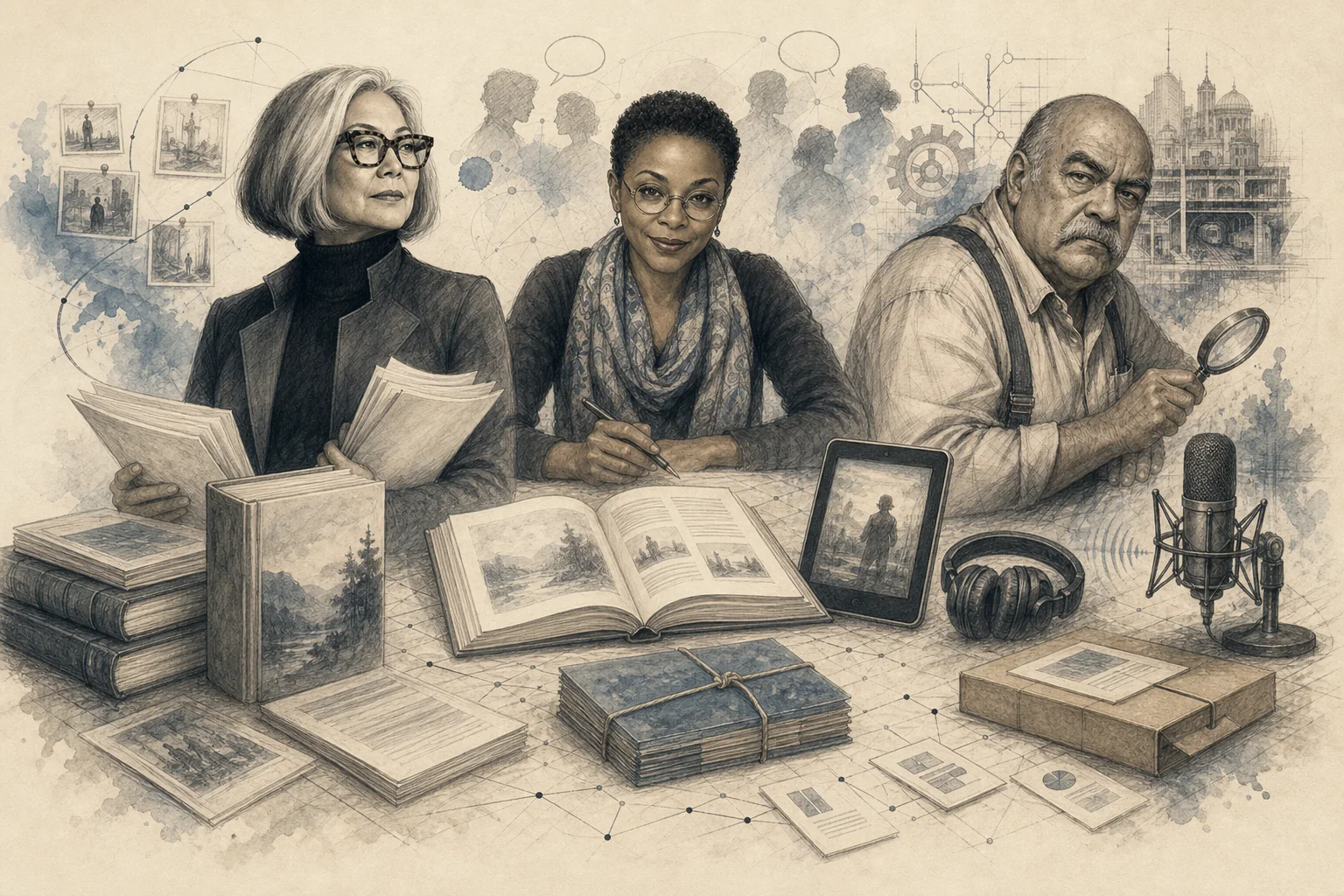
Cover concepts, export profiles, encrypted packages, metadata, visual planning, and self-publishing preparation stay connected to the book.
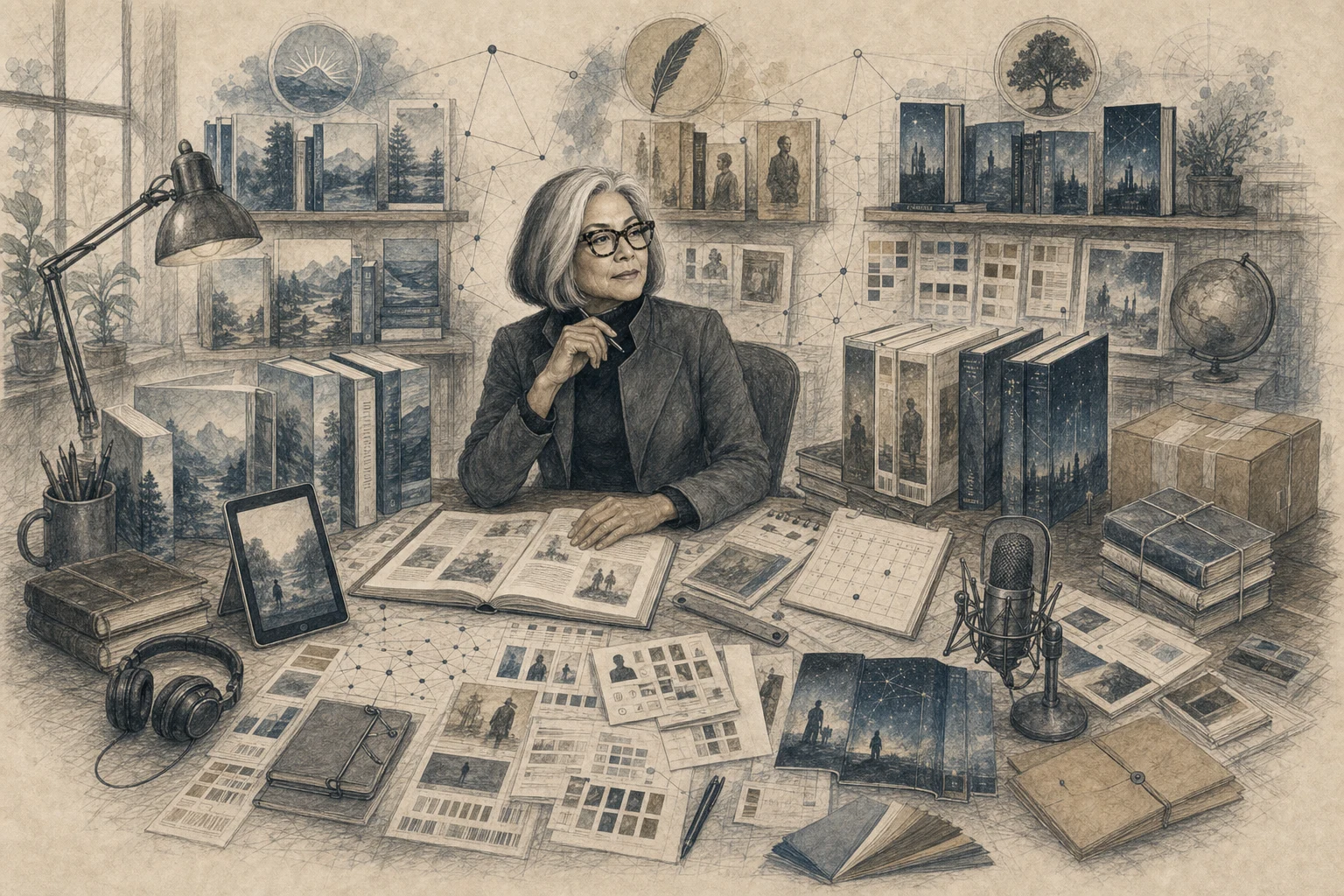
Everything orbits the manuscript: local files, revision history, contextual word help, editorial notes, codex, research, cover concepts, and exports.
A focused manuscript surface with local autosave, source/preview editing, and a quiet layout for sustained drafting.
Run targeted reviews from specialized AI readers: structure, continuity, character psychology, worldbuilding, and craft coaching.
Test what a selected audience understands from the page without leaking private notes, future canon, or hidden explanations.
Track characters, locations, organizations, items, concepts, events, style rules, sources, notes, and supporting evidence.
Build character images, codex assets, visual references, and wraparound cover concepts while saving prompts and sidecars locally.
Create book snapshots, compare changes, restore earlier states, and keep the revision trail close to the manuscript.
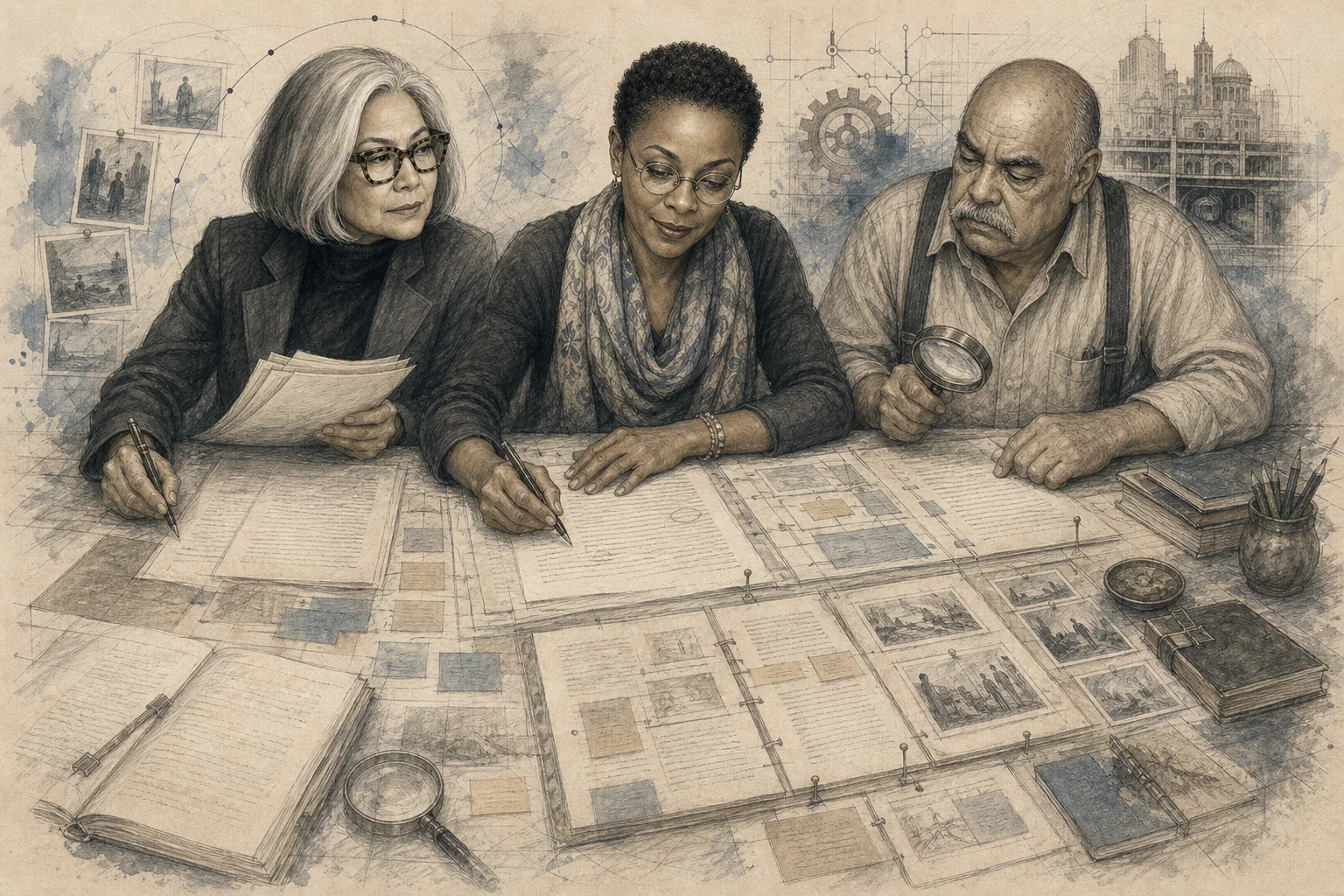
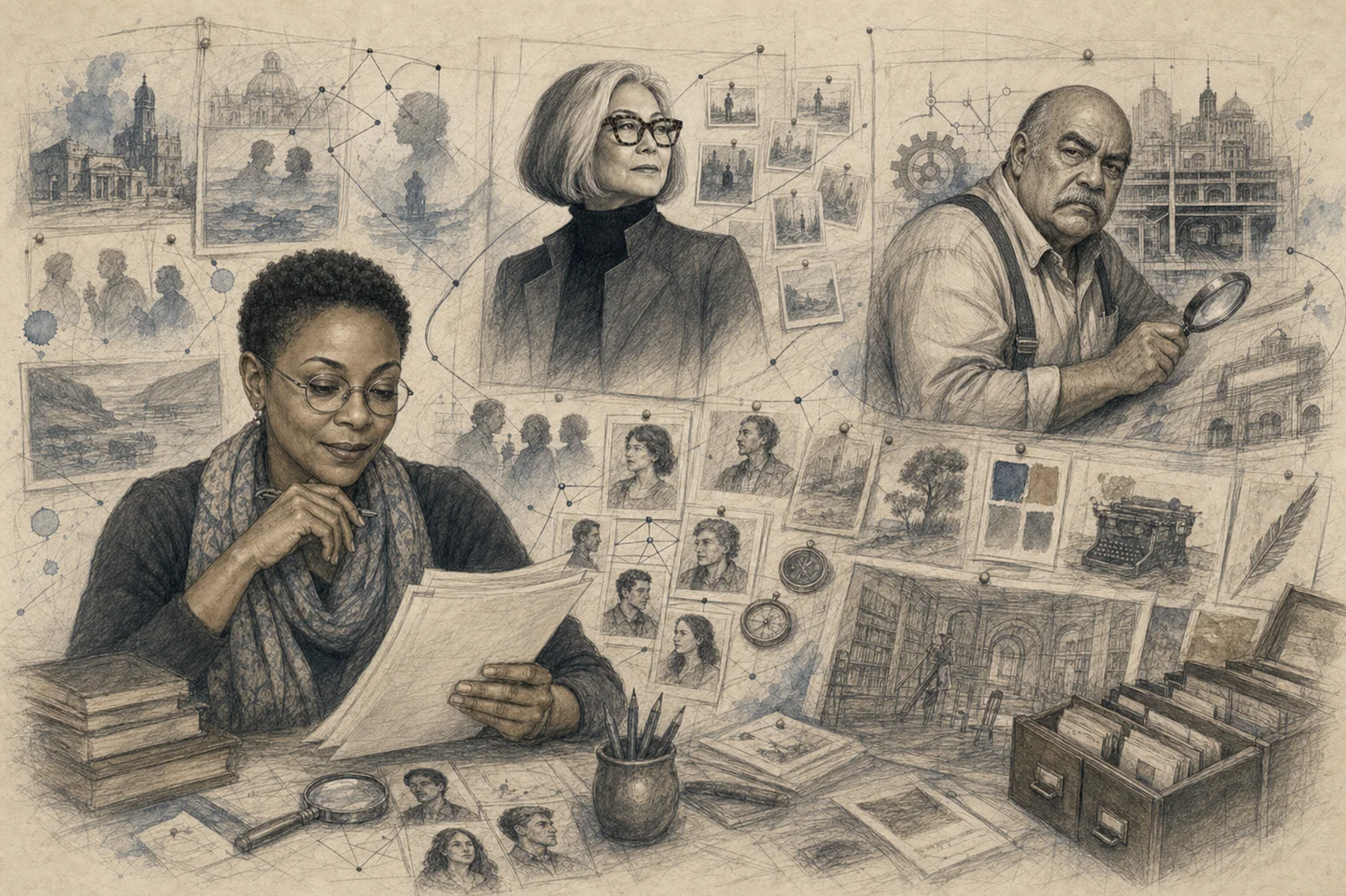
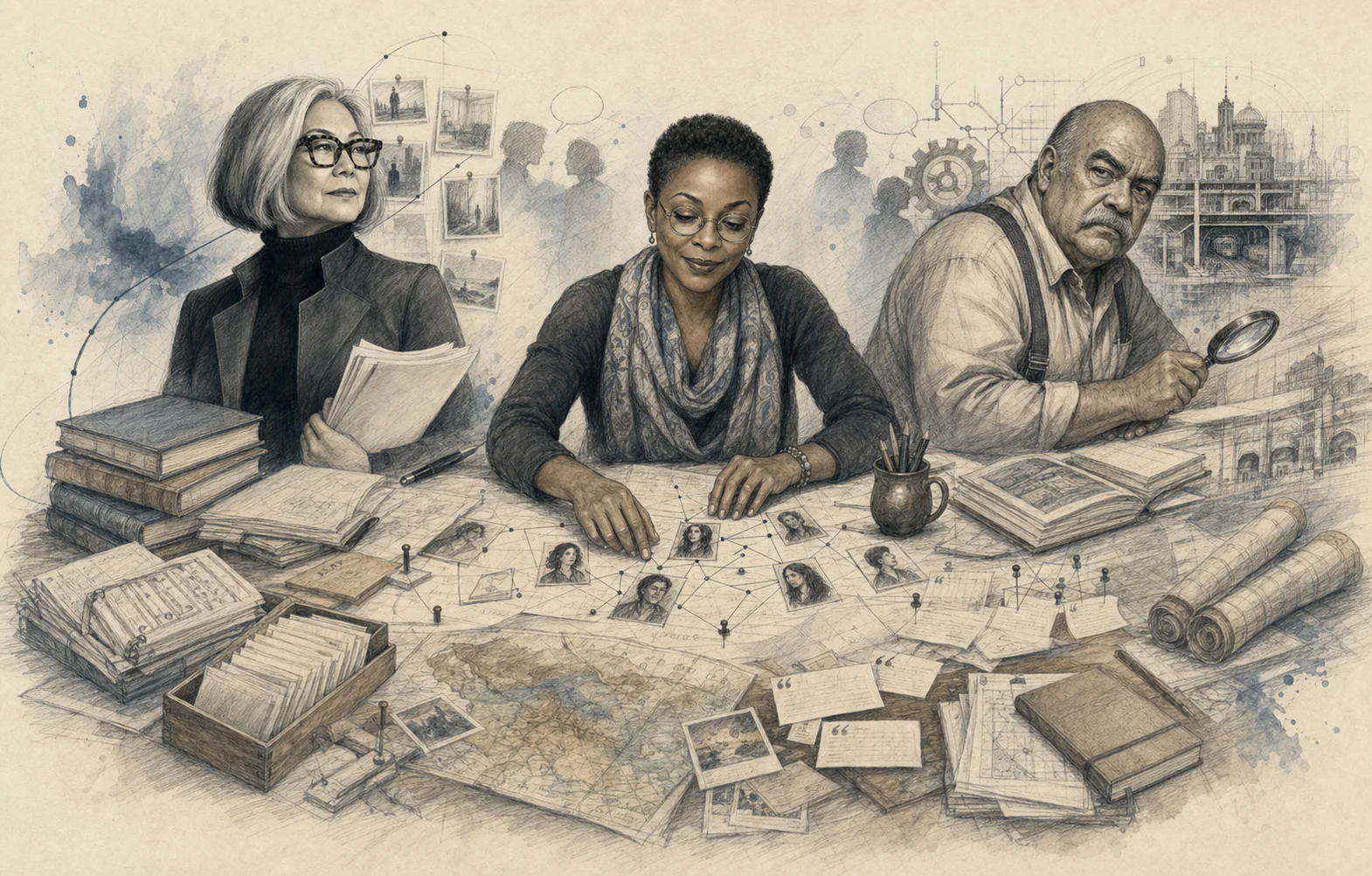
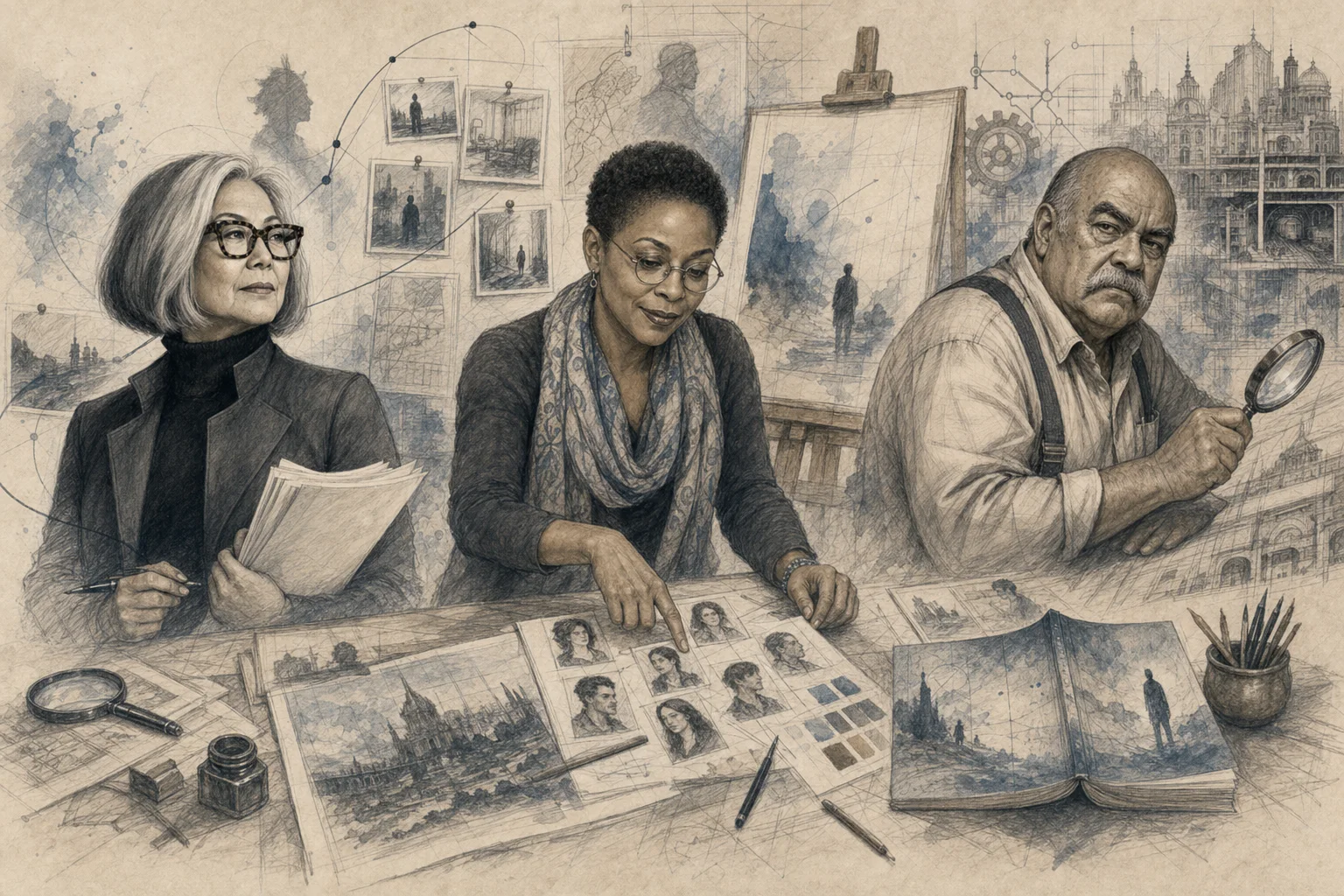
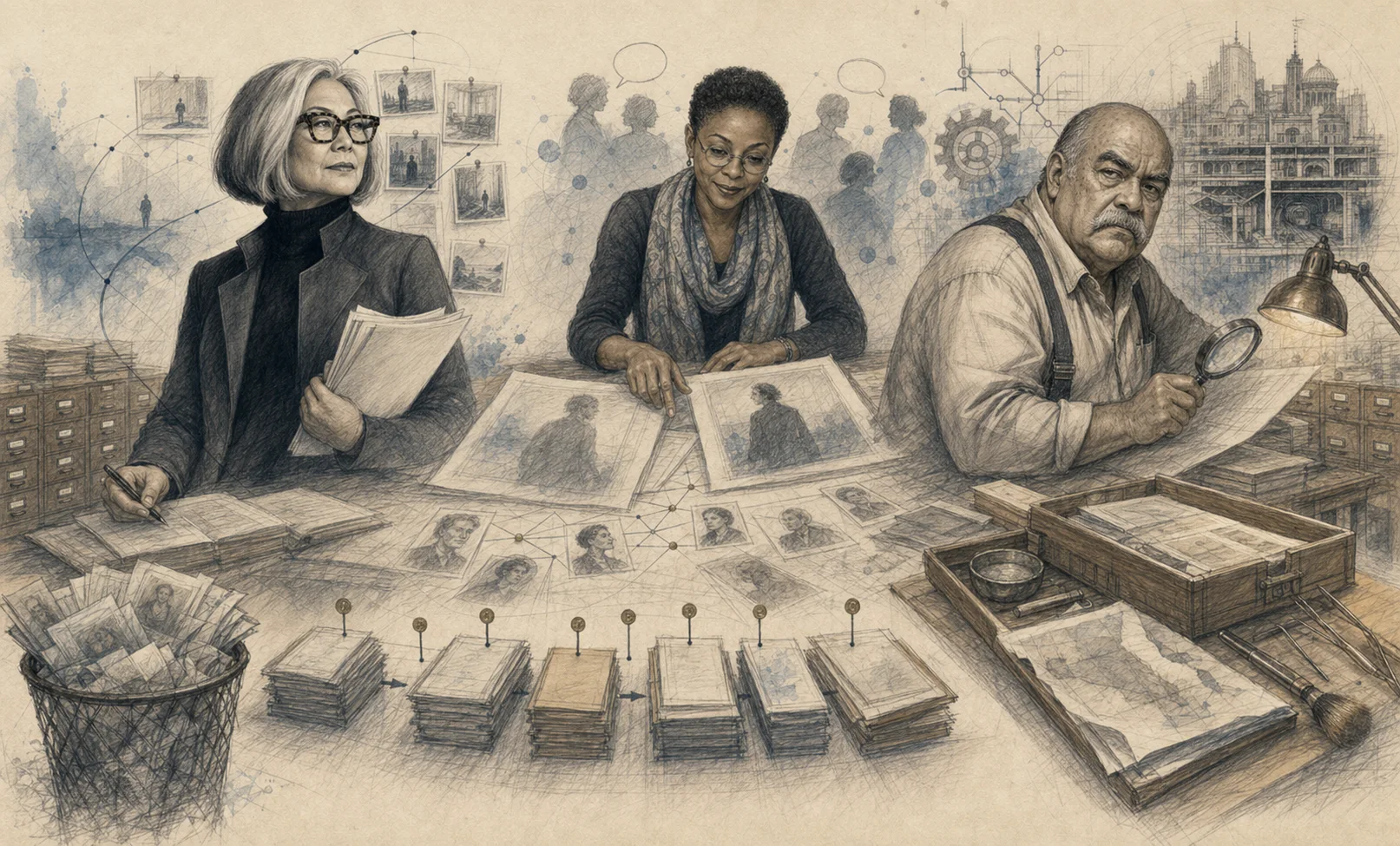
Each board member has a distinct job. You choose the context, preview what is sent, and keep the response attached to the book.
See the full board
Sees structure, pacing, stakes, scene purpose, and the revision pass that will move the draft.
Reads for motive, agency, emotional continuity, relationships, secrets, and believable behavior.
Checks the rules, places, institutions, technology, social systems, and consequences of the world.
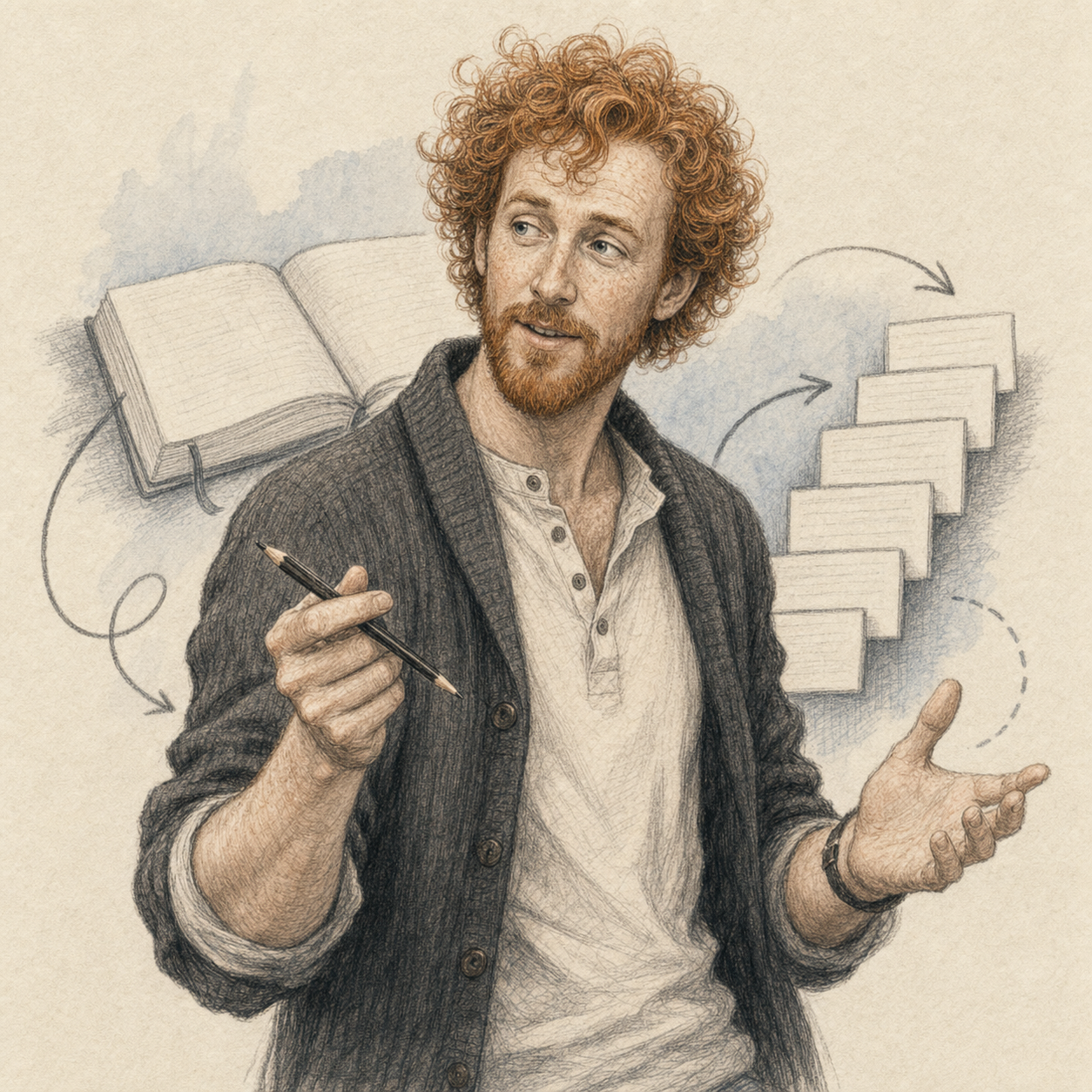
Responds as the target reader, showing what lands, what confuses, and what they expect next.
Start with a local manuscript folder, then add the tools that help you finish: editorial review, reader testing, continuity, visuals, snapshots, and publishing prep.